

 Hong Kong


 Singapore
 UAE
UAE



 Malaysia


 Turkey

 UK
UK
 EU
EU
 US
US
 Switzerland
 Bahamas Bank Account
 Cayman Islands Bank Account
 Mauritius Bank Account
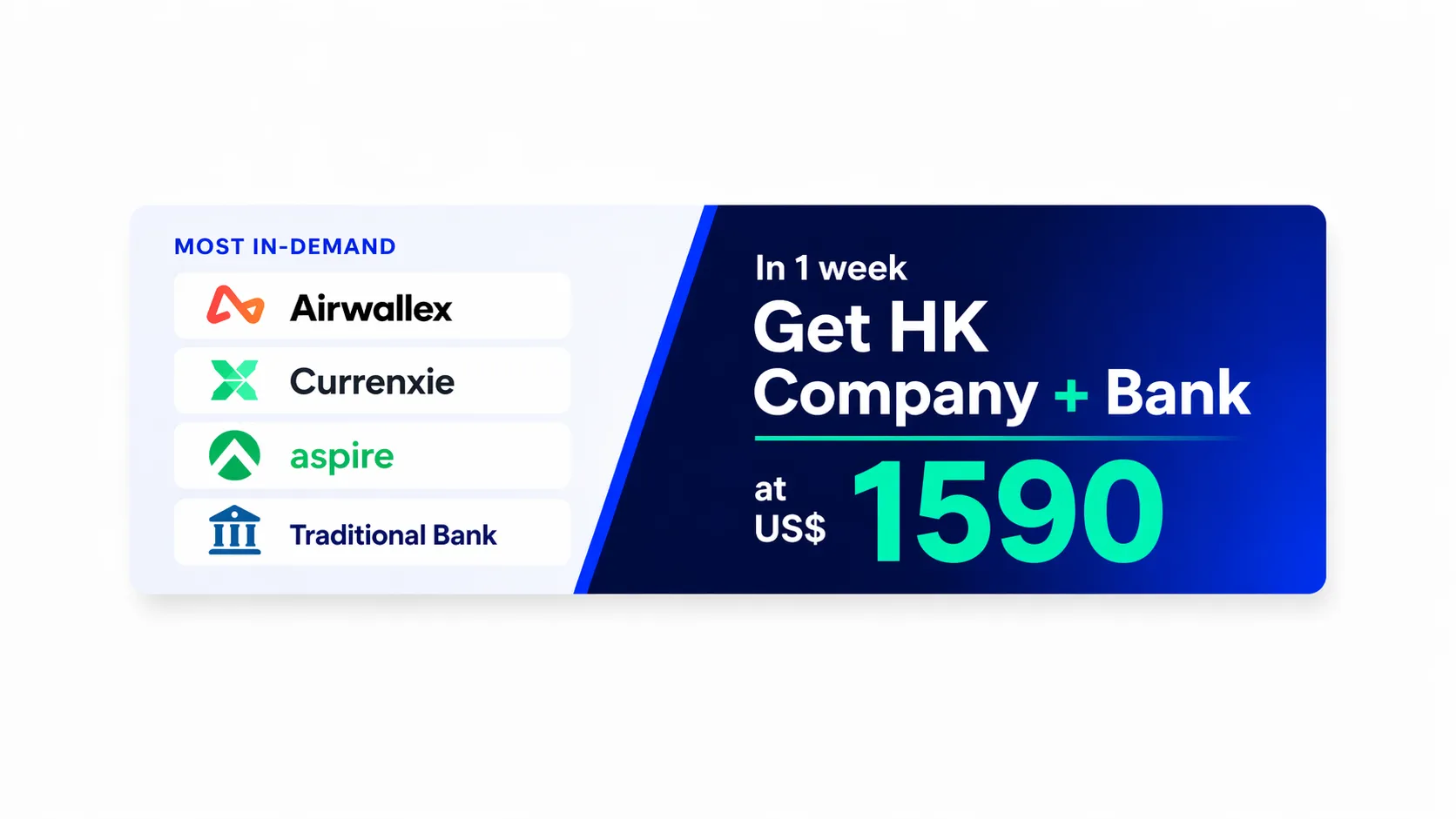
 BVI
BVI
 Seychelles

Setting up an offshore company can bring a plethora of benefits, and one of the key advantages is the potential for tax exemption on offshore-sourced income. However, navigating the nuances of tax regulations and ensuring compliance is crucial for businesses seeking to claim this exemption. In this guide, we’ll delve into the proof required for claiming offshore-sourced income tax exemption.
Understanding Offshore-Sourced Income Tax Exemption
Many jurisdictions offer tax exemptions for income generated outside their borders. This can be an attractive incentive for businesses looking to optimize their tax liabilities. However, to qualify for this exemption, businesses must provide concrete evidence that the income in question is indeed sourced from offshore activities.
Types of Offshore-Sourced Income
Before we explore the proof required, it’s essential to understand what constitutes offshore-sourced income. This can include revenue generated from international sales, royalties from foreign entities, dividends from overseas investments, and income from services provided outside the home country. Clearly identifying and categorizing your offshore income is the first step towards a successful tax exemption claim.
Documentation and Proof Required
- Contractual Agreements: Maintain a thorough record of all contractual agreements related to offshore transactions. This includes sales contracts, service agreements, licensing agreements, and any other relevant documents that establish the nature and scope of the offshore activities.
- Invoices and Payment Records: Keep detailed records of all invoices and payment receipts related to offshore transactions. These documents should clearly indicate the nature of the transaction, the parties involved, and the amount paid.
- Bank Statements: Provide bank statements that demonstrate the flow of funds related to offshore transactions. This includes receipts of payments from foreign clients, payments to foreign vendors, and any other financial transactions associated with offshore activities.
- Business Activity Records: Maintain records of the day-to-day activities conducted offshore. This could include logs of business meetings, project timelines, and other documents that substantiate the physical presence and operational activities of your business in the offshore jurisdiction.
- Transfer Pricing Documentation: If applicable, prepare transfer pricing documentation that justifies the pricing of goods or services exchanged between related entities in different jurisdictions. This helps establish the arm’s length nature of transactions, ensuring compliance with transfer pricing regulations.
- Tax Residency Certificate: Some jurisdictions may require a tax residency certificate to validate your eligibility for offshore-sourced income tax exemption. Obtain this certificate from the tax authorities in your home country to confirm your tax residency status.
Consult with Tax Professionals
Navigating the complexities of offshore-sourced income tax exemption can be challenging, and it’s advisable to seek guidance from tax professionals with expertise in international tax regulations. They can provide insights into the specific requirements of your jurisdiction, help you compile the necessary documentation, and ensure compliance with all relevant laws.
So, payment solutions are at the forefront of transforming the financial landscape, driving efficiency, innovation, and inclusivity with the support of Lion Business consultancy. As digital payment ecosystems continue to evolve, businesses and consumers alike can expect more personalized, secure, and seamless experiences. Embracing these advancements and staying informed about emerging trends in payment technology will be key to navigating the evolving world of finance and unlocking new opportunities for growth and prosperity.