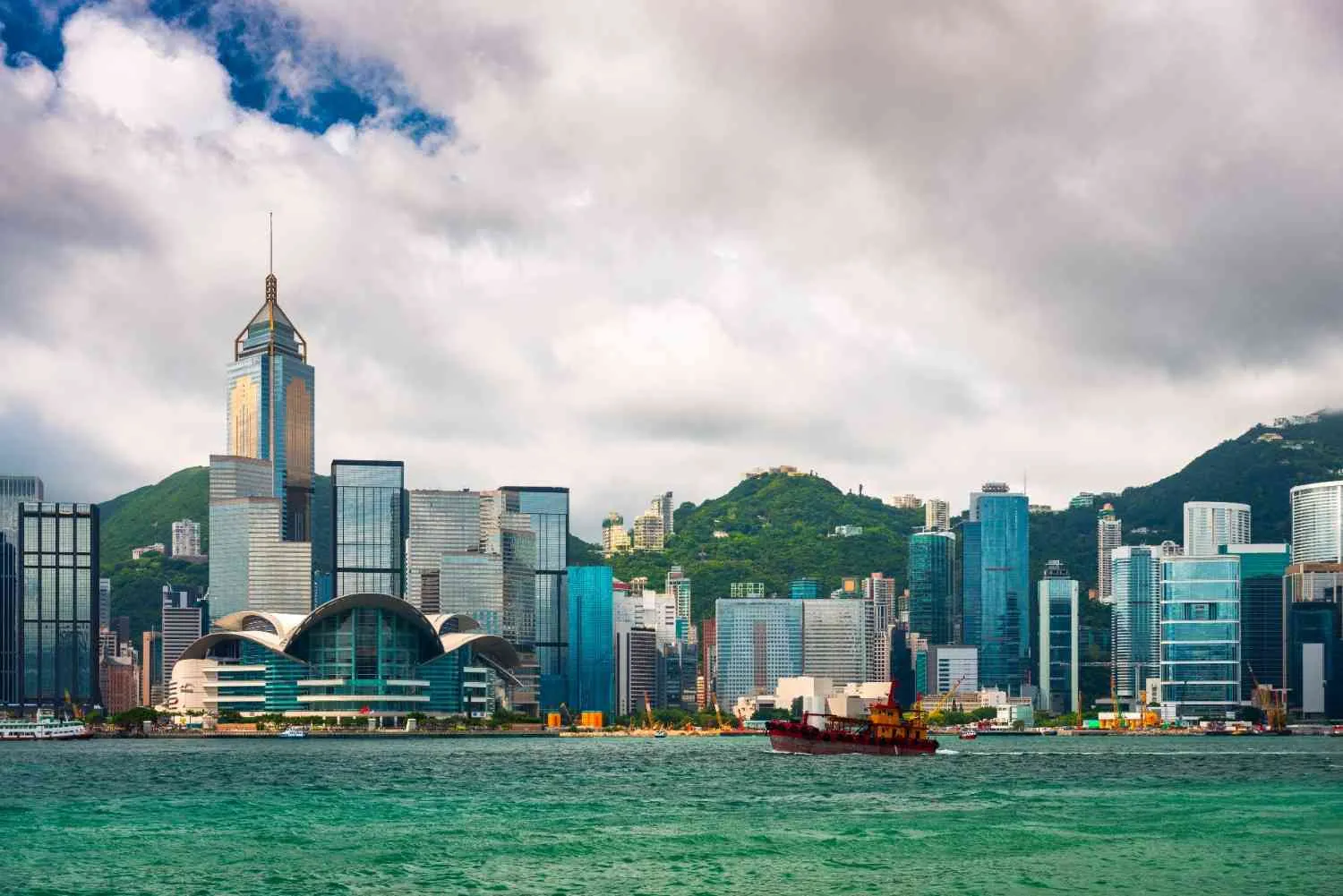

 Hong Kong
 Singapore
 UAE
UAE


 Malaysia
 Turkey
 UK
UK
 EU
EU
 US
US
 Switzerland
 Bahamas Bank Account
 Cayman Islands Bank Account
 Mauritius Bank Account
 BVI
BVI
 Seychelles


Hong Kong is still one of the world’s most trusted banking hubs. Because of that, thousands of international founders set up companies there every year to trade globally, work with suppliers, and manage payments in multiple currencies.
But one thing often catches new founders off guard: registering a Hong Kong bank account company does not automatically mean you’ll get a bank account. Banks in Hong Kong operate under strict anti-money laundering rules. Before approving any corporate account, they need to understand who owns the company, what the business actually does, and where the money will come from.
That level of scrutiny exists for a reason. Hong Kong hosts more than 160 licensed banks and deposit-taking institutions, making it one of the largest international banking systems in Asia. It also consistently ranks among the top global financial centers, which is largely due to its strong regulatory framework and international trust.
In other words, Hong Kong banking is valuable precisely because the system is selective.
Why Opening a Hong Kong Bank Account Is Harder Than Most Entrepreneurs Expect
Many founders assume the process is simple:
Company incorporation → bank account → business operations.
In reality, the process often works differently.
Banks treat account opening as a risk assessment exercise, not a procedural step. Before approving a corporate account, they evaluate the business behind the company.
Banks typically want clear answers to several questions:
-
Who ultimately owns the company?
-
What business activity will generate transactions?
-
Where will funds originate?
-
Which countries will the business operate in?
-
Does the structure match the business model?
Financial institutions must follow both the Hong Kong Monetary Authority (HKMA) guidelines and international AML compliance standards. The regulations mandate banks to identify beneficial owners and verify documents for account purpose identification.
The compliance requirements lead to application rejections when the business structure or documentation fails to provide proof of legitimate operations.
Related Reading: How to Open a Hong Kong Bank Account Without Visiting the Country
How Hong Kong Banks Evaluate Corporate Account Applications
Bank approval decisions are based on a structured review process. Compliance teams assess the customer’s profile to determine whether the account meets regulatory and risk standards.
Several areas are reviewed during this process.
| Compliance Area | What Banks Verify | Why It Matters |
|---|---|---|
| Identity verification | Passport or government ID | Prevents identity fraud |
| Corporate structure | Incorporation documents and shareholder data | Confirms legal ownership |
| Beneficial ownership | Individuals controlling the company | Required under AML rules |
| Business activity | Description of operations and revenue | Ensures legitimate business |
| Source of funds | Where capital and payments originate | Prevents money laundering |
| Jurisdiction exposure | Countries involved in operations | Determines geopolitical risk |
Banks do not simply collect documents. They analyze whether the company’s structure, business activity, and transaction flows make sense.
If the structure appears unclear or inconsistent, the bank may decline the application.
The Actual Documents Hong Kong Banks Require
Documentation requirements vary between institutions, but most Hong Kong banks request a similar set of materials to satisfy compliance rules.
The goal of these documents is to confirm three things:
-
The company legally exists
-
The owners are identifiable
-
The business activity is legitimate
Core Company and Identity Documents
Typical documents requested include:
-
Certificate of incorporation
-
Articles of association
-
Business registration certificate
-
Registered office address
-
Passport copies of directors
-
Proof of address for key individuals
These documents verify both the legal existence of the company and the identity of those controlling it.
Beneficial Ownership Disclosure
Hong Kong banking rules require institutions to identify the ultimate beneficial owner (UBO).
A beneficial owner generally refers to:
-
individuals owning 25 percent or more of the company, or
-
individuals exercising ultimate control over the company.
Banks may request:
-
shareholder registers
-
ownership charts
-
director identification
-
explanation of the corporate structure
This requirement prevents hidden ownership and ensures transparency in international business relationships.
Related Reading: A Guide to True and Certified Copy Documents in Hong Kong
Understanding Customer Due Diligence in Hong Kong Banking
Customer Due Diligence (CDD) is the foundation of the Hong Kong banking approval process.
Banks must verify:
-
customer identity
-
ownership structure
-
purpose of the account
-
expected transaction behavior
These checks allow banks to determine whether a business relationship aligns with regulatory requirements.
Hong Kong banks use a risk-based approach, meaning different businesses receive different levels of scrutiny.
| Due Diligence Level | When It Applies | Level of Review |
|---|---|---|
| Simplified Due Diligence | Low-risk clients | Basic identity verification |
| Standard Due Diligence | Most businesses | Normal documentation review |
| Enhanced Due Diligence | Higher-risk industries | Additional checks and documentation |
Enhanced due diligence may apply to businesses operating in industries such as:
-
cryptocurrency services
-
international trading
-
offshore holding structures
-
politically exposed sectors
In these cases, banks may request additional explanations or documentation before approval.
Why Hong Kong Bank Applications Get Rejected
Bank account rejections rarely happen randomly. Most declined applications share common issues that increase perceived risk for the bank.
Some of the most frequent causes include:
-
unclear or poorly described business activity
-
complex ownership structures without explanation
-
insufficient proof of commercial operations
-
industries classified as high risk
-
incomplete documentation
-
mismatch between the company structure and its stated business activity
For example, a trading company claiming to import goods internationally may be asked to provide supplier information, shipping documentation, or proof of expected transactions.
If these details cannot be explained clearly, the bank may decide not to proceed with onboarding.
Hong Kong vs Other Jurisdictions for International Banking
Despite stricter approval requirements, Hong Kong remains one of the most attractive jurisdictions for international business banking.
The region offers strong financial infrastructure and global credibility.
| Feature | Hong Kong | Typical Offshore Jurisdiction |
|---|---|---|
| Banking reputation | Very strong | Moderate |
| Regulatory credibility | High | Varies |
| Global trust | Extremely high | Lower in some regions |
| Compliance requirements | Strict | Often lighter |
| Multi-currency capabilities | Extensive | Limited in some cases |
While approval may require more preparation, a Hong Kong corporate account often provides greater long-term stability than accounts in less-regulated jurisdictions.
Did You Know?
Hong Kong banks cannot reject an account solely because a company is offshore or its directors are non-residents . According to HKMA guidance, financial institutions must assess the actual risk profile of the customer, not just the company’s jurisdiction of incorporation.
This means international founders can still open Hong Kong bank accounts when their structure and documentation clearly demonstrate legitimate operations.
How Lion Business Co. Helps Entrepreneurs Navigate Hong Kong Banking
Opening a Hong Kong corporate bank account requires more than submitting forms. It requires understanding how banks assess international businesses and preparing the structure accordingly.
Lion Business Co. works with global entrepreneurs to make their applications bank-ready from the start.
As a boutique international advisory firm, Lion helps founders design compliant structures, prepare documentation, and approach suitable banking institutions.
Rather than acting as a mass incorporation provider, Lion operates as a private financial architect for cross-border entrepreneurs.
Lion’s advisory approach typically includes:
-
assessing the business structure before approaching banks
-
identifying suitable banking institutions for the company profile
-
preparing compliance-friendly documentation
-
organizing ownership and activity explanations
-
supporting founders through onboarding or interviews
By aligning the company structure with banking expectations early in the process, entrepreneurs can significantly reduce the risk of rejection.
What Banks Actually Want to See Before Approving an Account
Hong Kong remains a leading international financial hub that maintains strict compliance regulations for its banking operations. A company must provide complete ownership details and operational evidence through documented business activities to establish a corporate account that needs to meet regulatory standards. Entrepreneurs who comprehend these requirements and develop their applications based on that understanding will experience significant increases in success probability.
Lion Business Co. assists international founders in establishing their business operations and complying with banking regulations while obtaining trustworthy banking services for their international operations. Experienced advisors provide assistance to businesses which require guidance on Hong Kong banking regulations for their cross-border operations since they help create a safer and more predictable process.